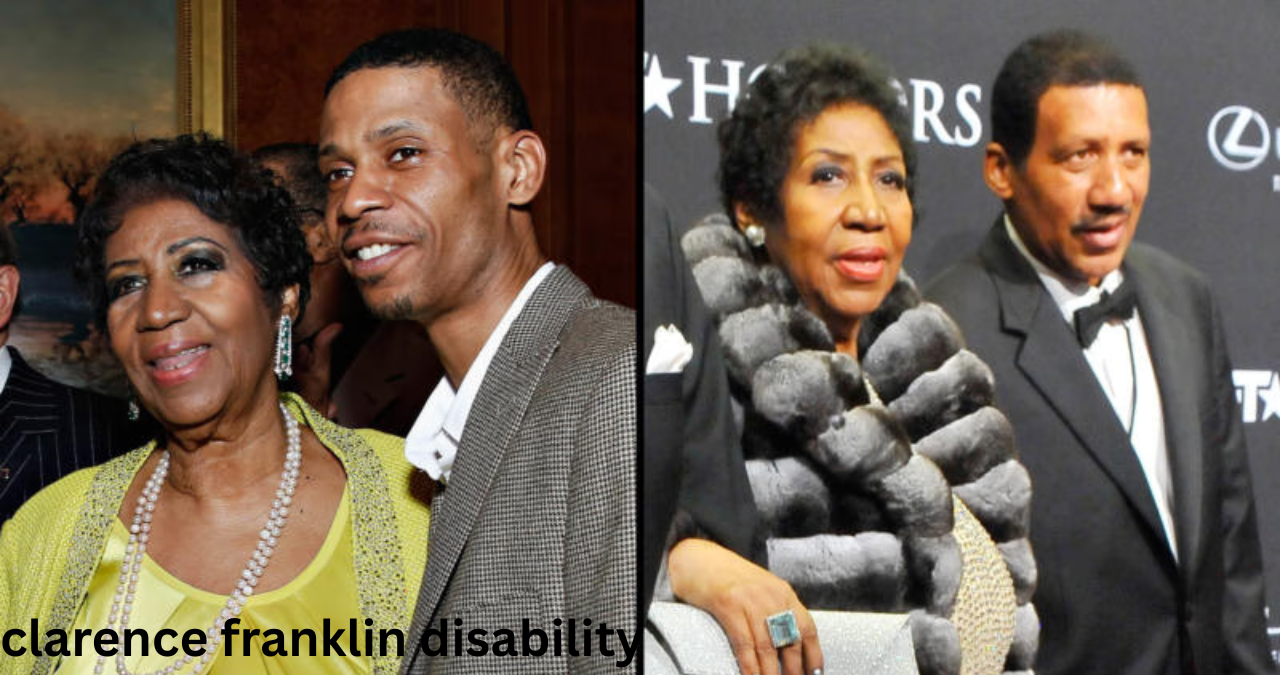
The keyword clarence franklin disability has recently gained attention online as people search for information about the health, physical condition, and medical struggles connected to Clarence Franklin. Many internet users are curious to know whether Clarence Franklin lived with a disability, what challenges he faced, and how his condition affected his personal life and public legacy.
When discussing clarence franklin disability, it is important to rely on verified historical facts rather than assumptions or internet rumors. Clarence Franklin, widely known as Reverend C. L. Franklin, was one of the most influential Baptist ministers in American history and the father of legendary singer Aretha Franklin. His powerful sermons, charismatic speaking style, and leadership made him an iconic figure in religious communities across the United States.
However, conversations around clarence franklin disability are often connected to a tragic incident later in his life that significantly affected his health. While Clarence Franklin was not widely known to have a disability during most of his life, a violent event changed everything and led to severe long-term medical complications.
This article explores the facts surrounding clarence franklin disability, his health struggles, the incident that transformed his life, and the lasting impact of his condition on his family and legacy.
Who Was Clarence Franklin?
Before understanding the discussions about clarence franklin disability, it is essential to know who Clarence Franklin was and why he remains an important historical figure.
Clarence LaVaughn Franklin, often referred to as C. L. Franklin, was born in Mississippi in 1915. He became a famous Baptist preacher known for his emotionally powerful sermons and unique speaking style. Many people called him “The Man with the Million-Dollar Voice” because of his extraordinary talent for public speaking.
As a minister, Franklin gained national recognition through radio broadcasts and recordings of his sermons. His church in Detroit attracted large audiences, and he became an influential spiritual leader for many African American communities.
Beyond religion, Clarence Franklin is also remembered as the father of Aretha Franklin, the Queen of Soul. He played a significant role in shaping her early musical career and introduced her to influential musicians and performers.
Despite his public prominence, the discussion around clarence franklin disability mostly centers on events that occurred near the end of his life.
The Incident That Sparked Questions About Clarence Franklin Disability
The most significant factor behind online searches for clarence franklin disability is a tragic event that permanently changed his physical condition.
In 1979, Clarence Franklin suffered a devastating attack at his home in Detroit. Reports indicate that he was shot during an attempted robbery. The injuries from the shooting were severe and life-altering.
After the incident, Clarence Franklin entered a coma and experienced serious neurological damage. This event dramatically affected his health and mobility, leading many people to later associate his condition with disability.
The tragedy shocked the public because Clarence Franklin had previously been known as a strong and energetic religious figure. His ability to preach, speak, and remain active was suddenly taken away due to his injuries.
When discussing clarence franklin disability, many historians and researchers refer to this incident as the turning point that caused long-term physical impairment.
Did Clarence Franklin Have a Disability?
The answer to the question surrounding clarence franklin disability requires careful explanation.
There is no widely documented evidence showing that Clarence Franklin had a disability before the 1979 shooting. During his ministry years, he remained highly active, traveled extensively, preached regularly, and maintained public appearances.
However, after the shooting, his condition changed dramatically. Because of the neurological damage and prolonged coma, Clarence Franklin reportedly required extensive care and assistance. His injuries affected his physical and cognitive functioning, making independent living difficult.
In this context, many people searching for clarence franklin disability are referring to the disabilities or impairments that resulted from his traumatic injury.
Medical experts often describe severe brain injuries as conditions that can create permanent disabilities, including mobility issues, communication limitations, and reduced independence. While exact medical records are private, historical accounts suggest that Clarence Franklin experienced serious long-term health limitations after the attack.
How Clarence Franklin’s Condition Affected His Family
Understanding clarence franklin disability also means recognizing how his condition affected those closest to him.
His daughter, Aretha Franklin, became deeply involved in helping care for him following the shooting. Family members reportedly supported Clarence Franklin throughout his years of illness.
The emotional impact on the Franklin family was profound. Clarence Franklin had been a guiding force in both family life and music, especially for Aretha. Seeing such an influential figure become medically dependent was heartbreaking.
During the years after the attack, Clarence Franklin remained under medical supervision and care. His family reportedly remained close and continued to support him despite the challenges.
The story of clarence franklin disability therefore goes beyond medical concerns and reflects the emotional strength of a family navigating hardship together.
Clarence Franklin’s Legacy Despite Health Challenges
Although discussions about clarence franklin disability often focus on tragedy, it is equally important to remember his achievements and lasting influence.
Clarence Franklin transformed religious broadcasting and inspired generations of ministers through his preaching style. His sermons blended spirituality, storytelling, and emotional expression in ways that captivated audiences.
Even after his health declined, his earlier recordings continued to influence churches and religious leaders across America. His impact remained significant despite his inability to continue public ministry.
His role in shaping Aretha Franklin’s career also remains a key part of his legacy. Without Clarence Franklin’s encouragement and support, music historians believe Aretha’s path might have looked very different.
The discussion around clarence franklin disability should therefore include recognition of his accomplishments rather than focusing only on his later medical struggles.
Why People Search for Clarence Franklin Disability
Search trends related to clarence franklin disability reveal growing public curiosity about the lives of historical public figures.
Several reasons explain why this topic attracts attention. Some readers discover Clarence Franklin through documentaries about Aretha Franklin and want to learn more about her father’s later years. Others encounter references to his shooting and seek details about the health consequences.
The rise of digital biographies and celebrity history content has also increased interest in health-related topics. Many people search terms like disability, illness, or medical condition when researching influential individuals.
However, it remains important to approach these searches responsibly. Discussions about clarence franklin disability should prioritize factual accuracy and respect for personal medical experiences.
Medical Context Behind Long-Term Disabilities After Trauma
The topic of clarence franklin disability also highlights broader conversations about traumatic injuries and long-term care.
Severe injuries involving the brain can permanently affect a person’s daily functioning. Depending on the extent of neurological damage, individuals may experience challenges involving speech, movement, memory, or independence.
Patients recovering from traumatic incidents often require long-term rehabilitation, caregiving support, and medical treatment. Family involvement frequently becomes essential.
Although exact details about Clarence Franklin’s medical condition remain limited, reports suggest he experienced long-lasting complications following the shooting. This reality explains why many people associate clarence franklin disability with neurological impairment and physical limitations.
Misconceptions About Clarence Franklin Disability
Like many historical topics online, misinformation sometimes surrounds clarence franklin disability.
One common misconception is that Clarence Franklin was born with a disability or experienced lifelong physical limitations. Available historical evidence does not support this claim.
Another misunderstanding is that his condition resulted from natural illness alone. In reality, the major health crisis associated with Clarence Franklin came after the violent attack in 1979.
Clarifying these details matters because accurate historical understanding helps preserve the truth about influential public figures.
People researching clarence franklin disability should therefore rely on trusted biographies, historical reports, and reputable sources rather than social media speculation.
The Lasting Public Interest in Clarence Franklin
Public fascination with clarence franklin disability also reflects broader interest in the Franklin family story.
Aretha Franklin’s global fame naturally led people to explore the lives of those closest to her. Clarence Franklin’s role as preacher, mentor, and father made him a figure of ongoing historical significance.
Films, books, interviews, and documentaries continue to discuss his influence. As audiences learn more about his life, questions about his health and later years continue to emerge.
Despite the tragedy he endured, Clarence Franklin remains remembered for his voice, leadership, and cultural influence rather than solely for his medical condition.
Conclusion
The topic of clarence franklin disability raises important questions about history, health, and legacy. While Clarence Franklin was not publicly known to have a disability during most of his life, the devastating shooting in 1979 caused severe injuries that likely resulted in long-term impairment and medical dependency.
Understanding clarence franklin disability requires separating facts from assumptions. His later health struggles were deeply connected to a tragic act of violence rather than a lifelong disability. Yet even after this life-changing event, Clarence Franklin’s impact remained undeniable.
He continues to be remembered as a legendary preacher, an influential community leader, and the father of one of music’s greatest voices. His story serves as both a reminder of personal resilience and a testament to lasting influence despite overwhelming hardship.
Frequently Asked Questions
What was Clarence Franklin’s disability?
Clarence Franklin was not publicly known to have a disability for most of his life. However, after being shot in 1979, he suffered severe neurological injuries that reportedly caused long-term physical and medical limitations.
Was Clarence Franklin disabled before the shooting?
No documented evidence suggests Clarence Franklin had a disability before the 1979 attack. He was highly active in ministry and public life for many years.
What happened to Clarence Franklin in 1979?
Clarence Franklin was shot during an attempted robbery at his Detroit home. The incident left him in a coma and caused serious health complications.
Did Aretha Franklin care for Clarence Franklin?
Yes, reports indicate that Aretha Franklin and other family members remained involved in supporting and caring for him after his medical condition worsened.
Why do people search for Clarence Franklin disability?
People often search for clarence franklin disability to learn about the health struggles he experienced after the shooting and to better understand the personal history of Aretha Franklin’s father.